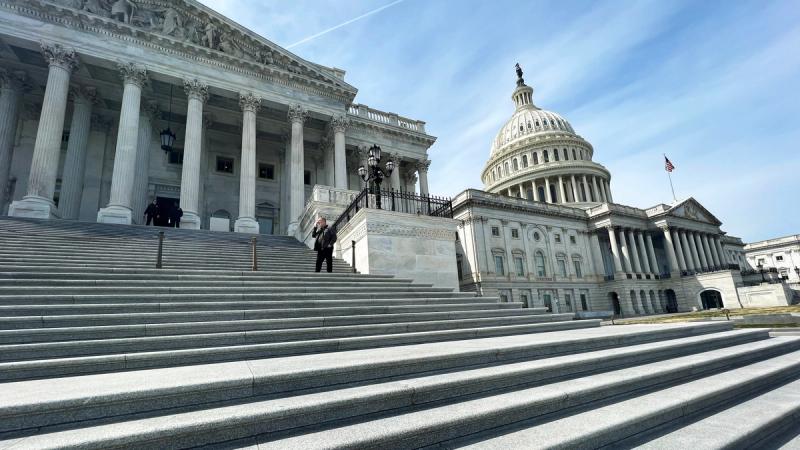
Why the 2026 Midterm Matters for Digital Assets
As the United States prepares to head to the polls in its 2026 midterm elections, the outcome will carry direct consequences for the crypto industry. The seats up for grabs in Congress will determine which party — and which individual legislators — hold the pen when it comes to writing the next round of legislation and regulatory frameworks governing digital assets. For the two years following the election, the balance of power in both chambers will shape the pace, scope, and direction of crypto-related policy.
For investors, traders, and industry participants, this makes the midterm a milestone event on par with major regulatory announcements. The composition of the next Congress will influence everything from the likelihood of a comprehensive federal crypto market structure bill to the aggressiveness of enforcement actions by agencies such as the SEC and CFTC.
What to Watch in the Legislative Landscape
The core question for the crypto community heading into 2026 is simple: which party controls the House and the Senate after the November vote? A unified front in one direction tends to accelerate specific policy priorities, while a divided government often leads to gridlock or narrower, compromise legislation.
Key areas where the new Congress is likely to act include:
- Market structure and classification: Defining the regulatory perimeter for spot and derivative digital-asset trading.
- Tax and reporting rules: Updating how gains, staking rewards, and DeFi activity are treated under existing tax code.
- Institutional access: Expanding or restricting the ability of banks, asset managers, and pension funds to hold digital assets.
- Enforcement posture: Setting the tone for regulatory agencies in their oversight of exchanges, stablecoin issuers, and DeFi protocols.
A Practical Guide for Crypto Readers
For those following the election cycle, CoinDesk's reader's guide to the 2026 midterms is designed to cut through the political noise and focus on what actually moves the needle for crypto. The guide contextualizes each major policy issue within the broader "state of crypto" — where the industry stands today, what gaps remain in regulation, and how the next two years of congressional activity could fill (or widen) those gaps.
Investors should note that midterm results do not produce immediate legislative change. Bills must be drafted, debated, and passed through both chambers, a process that can take months or even years. However, the political signal sent by the vote — which candidates win, which states swing, and which policy platforms gain traction — will immediately influence market sentiment, institutional positioning, and the strategic decisions of major crypto firms.
In short, the 2026 midterm is not just a political event; it is a structural input into the future of digital-asset markets, and understanding its stakes is essential for anyone with capital or business interests in the space.