
Introduction
Forex broker marketing often relies on persuasive language and eye‑catching offers to attract new clients. While many firms operate with transparency, a significant number use deceptive tactics that can erode trust and cause financial loss. Understanding the most common fraudulent practices equips traders with the ability to evaluate offers critically and protect their capital. This article outlines five typical scams—fabricated testimonials, misleading licensing claims, phantom bonuses, hidden fees, and inadequate verification—and provides actionable guidance for safe broker selection.
1. Fabricated Testimonials
Broker websites frequently showcase glowing reviews that appear to come from real traders. In many cases these testimonials are written by the broker’s own marketing team, purchased from third‑party services, or generated by bots. Hallmarks of inauthentic reviews include:
- Generic language such as “the best broker ever” without specific trade details.
- Absence of a verifiable name, photo, or social‑media profile.
- Overly positive tone that ignores any drawbacks or challenges. To verify authenticity, search the reviewer’s name on professional networking sites, request a direct conversation, or look for a mix of positive and constructive feedback. Genuine testimonials typically contain concrete information about account types, platforms used, and realistic outcomes.
2. Misleading Licensing Claims
Regulation is the primary safeguard for traders, yet some brokers falsely claim registration with reputable authorities. Common red flags are:
- License numbers that do not match the format used by the cited regulator.
- Links that lead to a generic landing page rather than the regulator’s public database.
- Statements like “regulated by multiple authorities” without naming any specific body. The verification process is straightforward: visit the regulator’s official website, locate its license lookup tool, and enter the broker’s name or license number. If the broker is absent from the list, or if the listed entity differs, the claim is likely false. Brokers that cannot provide a direct link to a verifiable record should be avoided.
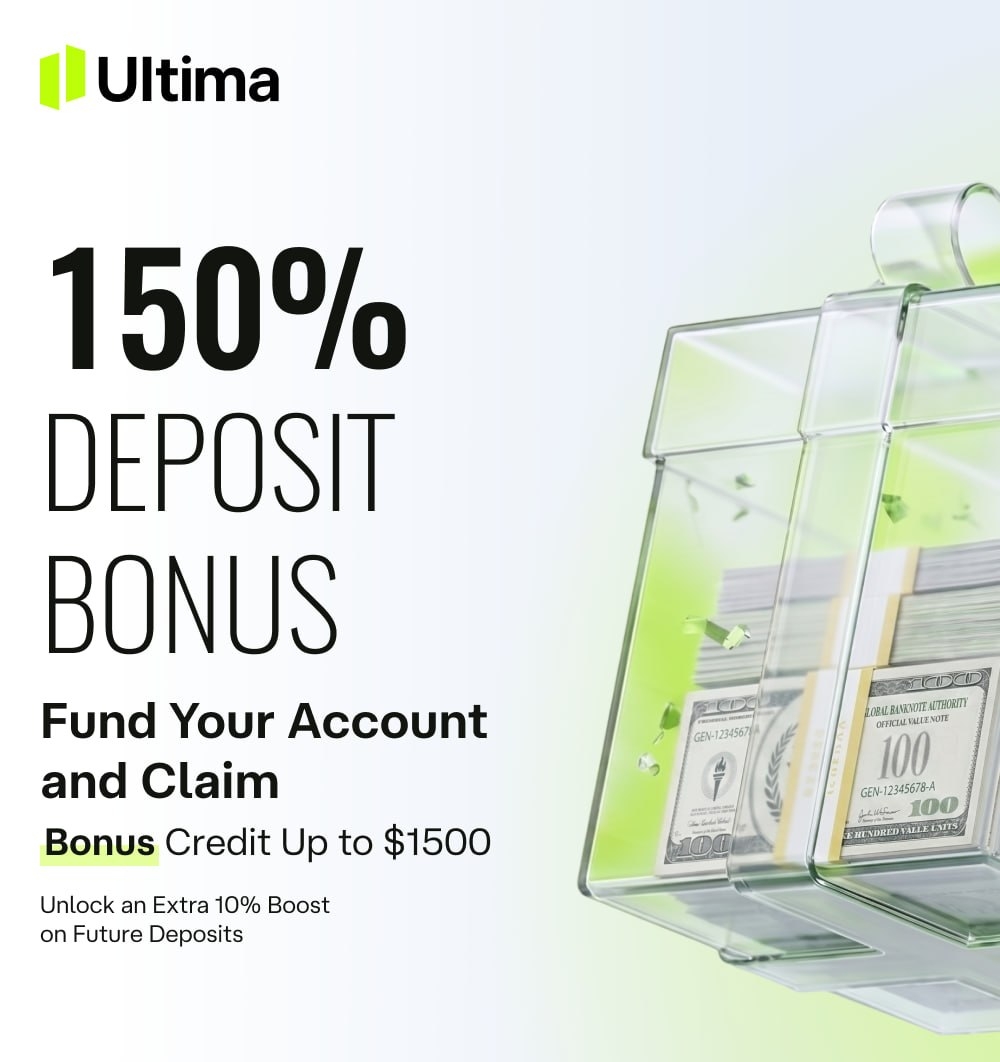
3. Phantom Bonuses and Promotions
Bonuses are attractive, but many brokers advertise offers that are impossible to claim or that come with prohibitive conditions. Typical tactics include:
- Requiring an unrealistically high deposit (e.g., 10 times the bonus amount) before the bonus appears.
- Imposing a “50x turnover” rule that forces traders to generate massive volume before any withdrawal is allowed.
- Presenting the bonus as “free money” while burying restrictive terms in fine print. When evaluating a bonus, read the full terms and conditions. Look for clear statements about minimum deposit, required trading volume, eligible instruments, and withdrawal limits. A reputable broker will present these details upfront and will not tie the bonus to an excessive trading requirement.
4. Hidden Fees and Unclear Terms
Marketing materials often highlight low spreads and zero commission, yet other costs may be concealed. Hidden fees can manifest as:
- Inactivity charges applied after a period of no trading activity.
- Withdrawal fees that vary by method and are only disclosed after account opening.
- Slippage or requote policies that are not mentioned in the initial offer. To uncover these costs, request a detailed fee schedule and compare it against industry averages. Transparent brokers list all charges—spreads, commissions, overnight financing, and any additional fees—on a dedicated page. Ambiguity or refusal to provide a comprehensive breakdown is a strong warning sign.
5. How to Verify and Protect Yourself
Applying a systematic checklist reduces exposure to marketing scams:
- Regulatory verification – Use the official regulator’s database to confirm the broker’s license.
- Testimonial scrutiny – Look for specific trade examples, mixed feedback, and verifiable reviewer identities.
- Bonus term analysis – Read the entire bonus agreement; calculate the required turnover and compare it with realistic trading capacity.
- Fee comparison – Obtain a full fee schedule and benchmark it against other brokers in the market.
- Independent research – Consult multiple reputable review sites, forums, and professional publications for unbiased opinions.
- Demo testing – Open a demo account to evaluate platform stability, execution speed, and customer support before committing real funds. By following these steps, traders can differentiate between legitimate promotional offers and deceptive schemes, ensuring a safer and more informed trading experience.
Conclusion
The allure of high returns and generous bonuses can obscure the underlying risks associated with fraudulent broker marketing. Recognizing fabricated testimonials, false licensing, phantom bonuses, hidden fees, and vague terms empowers traders to make decisions based on facts rather than hype. Consistent due diligence, combined with the verification checklist provided, forms a robust defense against common scams and helps maintain the integrity of the trading journey.