Rupee Stabilizes Near 95 but Structural Headwinds Persist
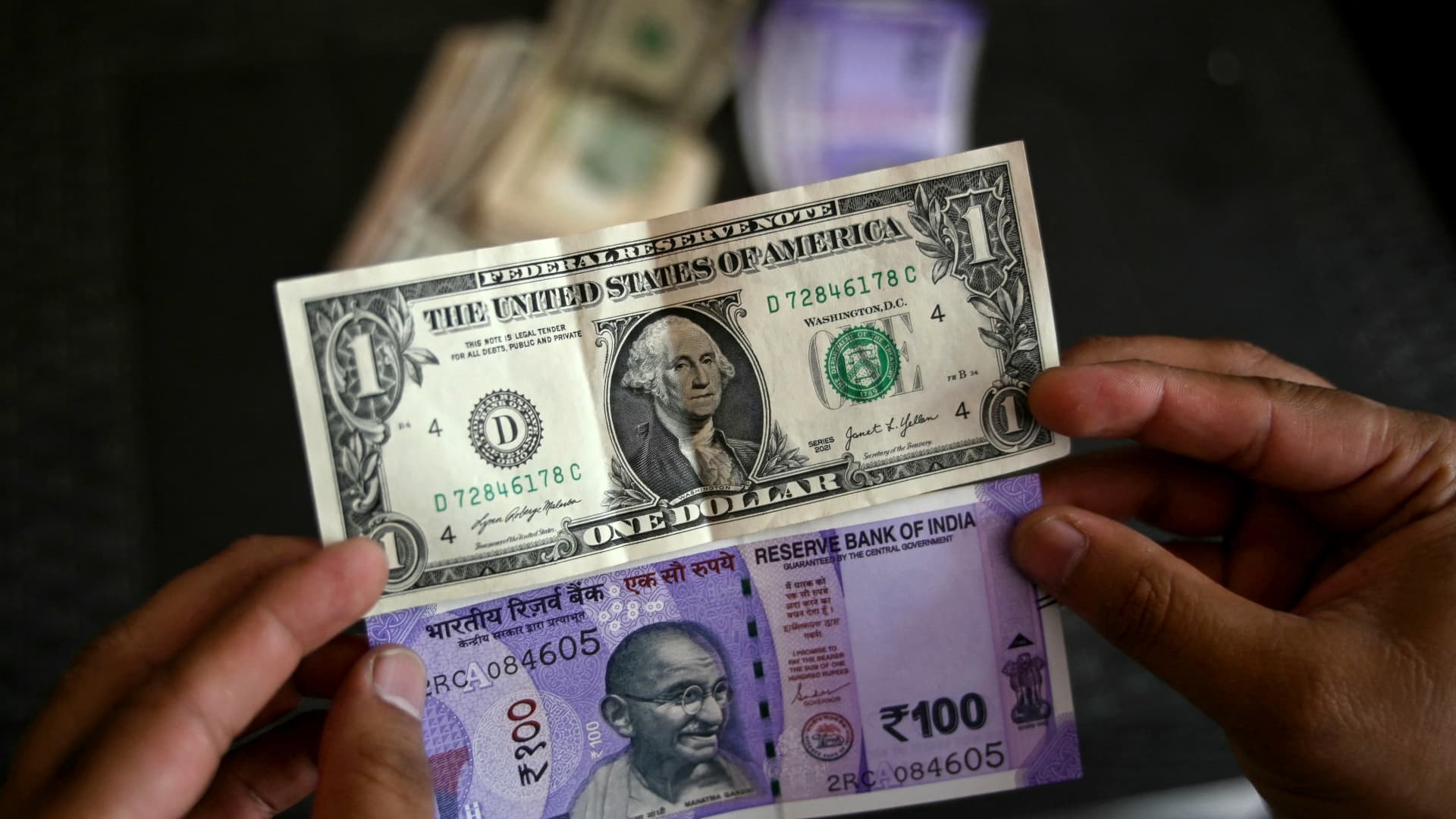
The Indian rupee has firmed from its recent low of 96.79 per US dollar back into the 95 range over the past several sessions, a rebound attributed to the Reserve Bank of India's latest suite of defensive measures. However, market strategists caution that this relief is temporary. The currency is widely expected to resume its downward trajectory toward year-end and into mid-2027, with the psychologically significant 100-rupee-per-dollar threshold no longer off the table.
Hanna Luchnikava-Schorsch, head of Asia-Pacific economics at S&P Global Market Intelligence, told CNBC that while the RBI's actions will slow the pace of depreciation, they are unable to fully neutralize the underlying pressures driven by persistently high oil prices, an expanding current account deficit, and a difficult global capital-flow backdrop. Her team projects the rupee trading at roughly 97 per dollar by the end of 2026 and drifting to 98 by mid-2027.
Vishnu Varathan, head of macro strategy for the Asia-Pacific region at Singapore-based Mizuho Securities, echoed a similar trajectory, expecting the rupee to slide to 98 against the greenback sometime between late 2026 and early 2027.
RBI Deploys Multiple Tools to Curb Speculative Pressure
Sanjay Malhotra, governor of the Reserve Bank of India, affirmed the central bank's resolve in a Tuesday interview with Indian outlet Moneycontrol, stating that the institution is prepared to take whatever steps are necessary to maintain orderly conditions in the foreign exchange market.
On Saturday, the RBI unveiled a package of measures aimed at raising the cost of speculative positions against the rupee and limiting the rebooking of cancelled foreign exchange derivative contracts. In a separate move, the central bank established a dedicated window to satisfy the full daily dollar requirements of three state-owned oil marketing companies, effectively isolating that trade from the broader spot market.
Devarsh Vakil, head of research at HDFC Securities, characterized the package as delivering "short-term to medium-term stability, not long-term structural support," underscoring the limitations of the intervention.
These actions follow a June initiative in which the RBI launched the Foreign Currency Non-Resident (Bank) deposit scheme, offering attractive incentives to non-resident Indians to park foreign currency in domestic banks. That program helped swell the RBI's foreign exchange reserves by $105 billion. Nevertheless, Nomura noted in a Saturday report that adverse global conditions compelled the central bank to engage in what it described as "aggressive" spot-market intervention to blunt the rupee's slide.
Since the FCNR-B program wound down on August 30, the rupee has lost 1.9 percent against the dollar. Ambit Capital reported on Wednesday that the RBI's dollar-sale interventions to arrest the decline have drained foreign reserves by $51 billion as of October 2. The brokerage further warned that the FCNR-B scheme, combined with other currency-swap measures rolled out in June, has generated forward dollar commitments totaling $200 billion, eroding the RBI's effective reserve buffer and "leaving the rupee vulnerable to further depreciation." India's import cover, Ambit added, has slipped to approximately 6.2 months—the lowest level since the US Federal Reserve's taper tantrum in 2013.
Energy Dependence and Capital Outflows Deepen the Squeeze
India, still the world's fastest-growing major economy, is acutely exposed to supply disruptions stemming from the ongoing Iran conflict. The country satisfies nearly 85 percent of its fuel requirements through imports, and the Strait of Hormuz served as a critical supply corridor before the war escalated.
Elevated energy expenditure, compounded by record exoduses of foreign investors from Indian capital markets—driven by heightened risk aversion and the absence of a dominant artificial-intelligence investment narrative—has kept the rupee under sustained pressure.
Prime Minister Narendra Modi publicly urged citizens last month to curtail foreign travel and gold purchases to reduce dollar demand on the currency, a call he had also made in May as the economic fallout from the Iran war intensified.
Luchnikava-Schorsch reiterated that a 100-rupee-per-dollar outcome cannot be dismissed, particularly if crude prices climb further, portfolio outflows reaccelerate, and the current account deficit broadens beyond current forecasts. Foreign portfolio investors have offloaded Indian equities worth $32.5 billion this year through October 13, according to data from the National Securities Depository Limited.
Outlook for the Rest of 2026 and Beyond
Harsimran Sahni, associate director and head of treasury at Anand Rathi Global Finance, expects the rupee to remain under pressure throughout the financial year ending in March 2027. He advised businesses to reinforce their hedging frameworks and stress-test foreign-currency exposures, noting that while RBI interventions can dampen volatility, they cannot indefinitely offset external imbalances.
Sahni added that a convergence of sustained capital outflows, persistently elevated crude prices, and a widening current account deficit would be sufficient to drive the rupee toward the 100-per-dollar level. For now, the central bank's toolkit offers a buffer, but the fundamental forces weighing on the currency show no signs of abating.