Regional Sales Freeze Expands the Investigation
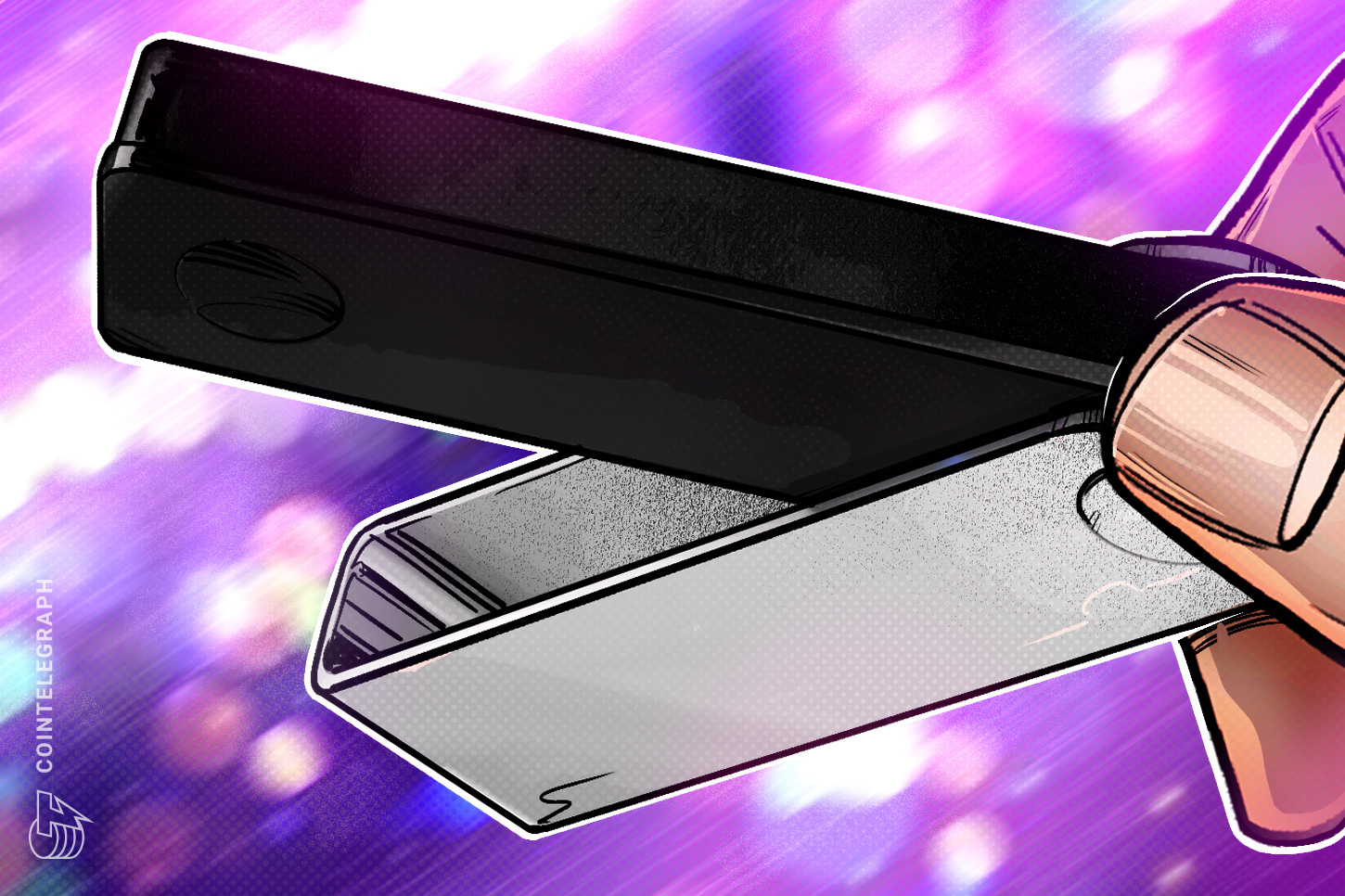
Ledger, the French maker of cryptocurrency hardware wallets, has asked retailers and distributors across six Southeast Asian countries and Hong Kong to immediately suspend sales and remove its devices from shelves. The directive, announced via a post on X on Tuesday, covers resellers operating in Indonesia, Singapore, Thailand, the Philippines, Vietnam, Malaysia, and Hong Kong.
The move represents a significant widening of the scope of Ledger's response. Earlier in the investigation cycle, the company had directed a single reseller, CryptoBilis, to cease all sales and shipments. That initial order came after the story first broke publicly on October 9, when reports surfaced of cryptocurrency being drained from wallets linked to devices purchased through that particular distributor.
Investigation Focuses on Distribution-Chain Tampering
In its X post, Ledger stressed that the confirmed cases of tampering remain limited to the Southeast Asian market. The company explicitly noted that it has not verified any instance of a wallet drain connected to a device purchased in a different region.
The firm added that its investigators are working to identify both the individual or group responsible for altering the hardware and the specific point in the distribution chain where the tampering took place.
Separately, Ledger stated that there is no evidence its own infrastructure, internal systems, services, or direct-to-consumer sales channel have been breached. This distinction is important: the company is pointing the finger at third-party handling of its products rather than at a compromise of its own operations.
Despite the company's geographic containment, users outside Southeast Asia, including some in Europe, have reported discovering what they believe to be signs of tampering on units bought from local retailers. Ledger has not confirmed those specific reports as part of the verified incident set.
Broader Industry Reactions and Consumer Implications
The Ledger situation has rippled through the wider hardware-wallet sector. Competitor Trezor moved to reduce its own reseller network, describing the step as a "preventative measure" in the wake of the tampering reports. The episode has sharpened debate over how much consumer protection depends on the integrity of third-party retail channels versus the manufacturer's own supply chain.
For end users, the practical takeaway is to verify the provenance of any hardware wallet before use and to monitor for unusual transaction activity, particularly if the device was purchased through an intermediary in one of the affected regions. Ledger's current guidance is to treat any unit sourced through a reseller in the listed countries as potentially compromised until the investigation yields a definitive answer on where and by whom the tampering was carried out.