Divergent Moves Across the Asian FX Board
The Asian currency complex displayed a lack of uniform direction in its trading against the U.S. dollar, with some national currencies gaining ground while others slipped. Rather than a blanket strength or weakness across the region, the session was characterised by a patchwork of gains and losses, reflecting the absence of a single dominant driver for risk assets at the time.
Traders and analysts noted that the dollar did not exhibit the kind of broad-based rally or retreat that typically follows a major macroeconomic release or geopolitical shock. Instead, the tone was one of cautious positioning, with participants waiting for clearer signals before committing to larger directional bets.
U.S.-Iran Negotiations as a Watched Variable
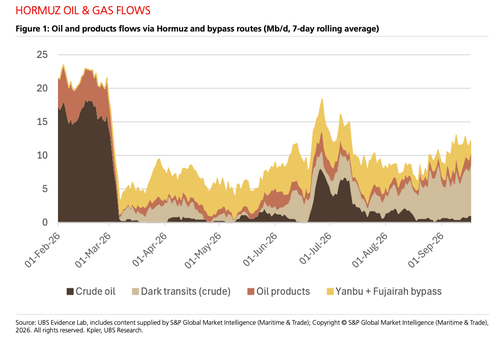
The central wildcard in the session was the possibility that diplomatic talks between the United States and Iran could be resumed. Market commentary highlighted that the mere anticipation of a negotiated framework between the two nations was enough to shift the mood toward risk-friendly assets. The reasoning is straightforward: if a diplomatic resolution reduces geopolitical tension in the Middle East, the premium that investors have been demanding for uncertainty tends to compress, and capital can rotate back into growth-sensitive and emerging-market instruments, including Asian equities and local-currency bonds.
No specific timeline or formal announcement accompanied the speculation; the driver was the perception that back-channel or preparatory discussions might be underway. That nuance—hopes rather than confirmed talks—meant that the effect on currency levels was modest and uneven rather than a decisive, one-directional move.
What to Watch Next
The key question for the coming sessions is whether the narrative around a U.S.-Iran diplomatic restart gains traction in official statements or credible reporting. If it does, the risk-appetite channel could tighten, narrowing spreads on Asian dollar crosses and pushing several regional currencies toward the stronger side of their recent ranges. Conversely, a failure to materialise or any escalation would likely re-introduce the hedging demand that has kept the dollar comparatively firm against parts of the Asian complex.
For now, the tone remains one of measured optimism layered over caution, and the currency board is likely to stay range-bound until a more definitive catalyst emerges.