
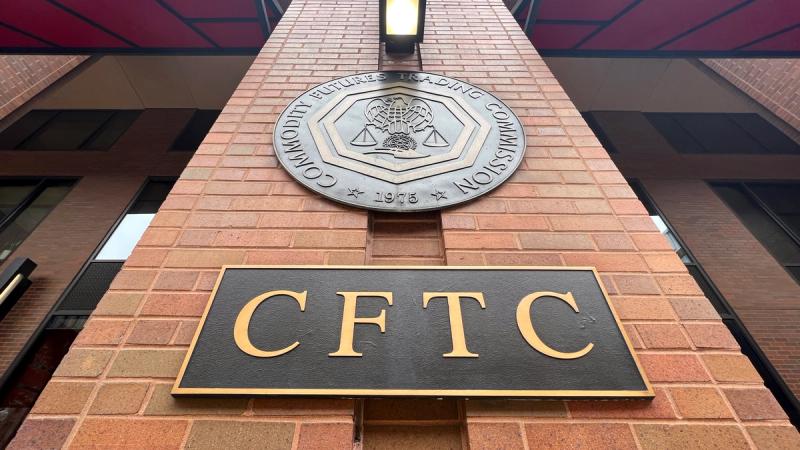
Lawsuit Targets CFTC's Move Into Stock Perpetual Futures
The U.S. Commodity Futures Trading Commission has found itself at the center of a legal dispute over the regulation of stock perpetual futures. A group of industry participants, backed by Citadel Securities and other firms, has filed a lawsuit against the federal derivatives regulator, challenging its decision to open a regulatory pathway for these instruments.
The core of the plaintiffs' argument is one of jurisdiction. They contend that stock perpetual futures fall squarely within the purview of the Securities and Exchange Commission, the agency that traditionally oversees equity and equity-linked products. In their view, the CFTC has overstepped its statutory authority by extending its rulemaking reach into a product category that should be governed by securities law rather than commodity futures law.
Crypto Perps Set the Precedent
The legal clash gains additional context when viewed against the CFTC's more recent actions in the digital-asset space. The regulator had already cleared a path for the listing and trading of cryptocurrency perpetual futures, a product structure that has become a staple of digital-asset exchange trading. By establishing a framework for crypto perps, the CFTC demonstrated its willingness to embrace the perpetual-futures model within its own jurisdiction.
Now, according to the plaintiffs, the agency has extended that same approach to traditional stock indices, effectively bringing a new class of equity-linked derivatives under CFTC oversight. The challengers argue this move blurs the long-standing division of regulatory responsibilities between the two federal agencies and creates uncertainty for market participants who must determine which rulebook applies.
Broader Implications for Derivatives Markets
The outcome of the case could reshape how perpetual futures are categorized and regulated across U.S. markets. If the court agrees with the plaintiffs, stock perps would be pushed into the SEC's regulatory perimeter, potentially altering listing requirements, investor-protection standards, and market-structure rules. Conversely, a ruling in the CFTC's favor would cement the agency's authority over a growing product category and reinforce the precedent it set with crypto perpetual futures.
Citadel Securities, one of the largest market-making and trading firms in the world, has lent its name and resources to the challenge, signaling that the jurisdictional question carries significant weight for firms that operate across both securities and derivatives markets. The involvement of multiple firms in the coalition underscores that the dispute is not a single-firm grievance but reflects a broader industry concern about regulatory clarity in an increasingly complex derivatives landscape.