A Poll Aimed Beyond the Crypto Bubble
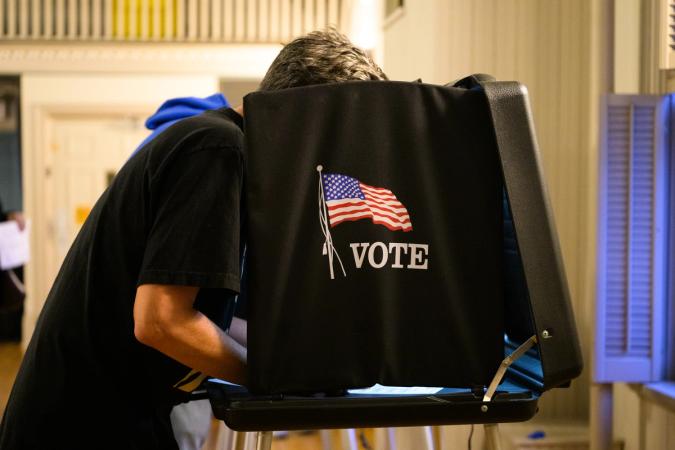
CoinDesk, the well-known digital-asset news outlet, commissioned a public opinion poll in April designed to move the conversation about cryptocurrency beyond its existing community of investors, developers, and industry insiders. The central question the survey set out to answer was straightforward yet revealing: how do ordinary voters, the kind of people who may never have bought a token or opened a crypto exchange account, actually feel about the sector?
By deliberately turning its attention to voters rather than to participants already embedded in the crypto ecosystem, the poll aimed to capture a slice of public sentiment that is often overlooked in industry coverage. The results, as the outlet framed them, shed light on the way a broader cross-section of the electorate views the technology, its regulation, and its place in the financial system.
Why Voter Sentiment Matters to the Industry
The distinction the poll draws between "voters" and "crypto sector participants" is not merely academic. For years, much of the public discourse around digital assets has been dominated by voices already invested in the space—founders, traders, analysts, and enthusiasts. A survey that specifically targets the general voting public offers a different lens: one in which concerns about volatility, regulatory clarity, and the practical utility of crypto may carry more weight than the bullish narratives common in industry circles.
CoinDesk positioned the April survey as a way to put a clearer picture of that outsider perspective on the record. Rather than asking "Do you own Bitcoin?" or "How do you rate your exchange?"—questions that skew toward the already-engaged—the poll sought to understand how the average voter processes headlines about token launches, exchange failures, or government policy proposals involving digital assets.
Implications for Market Perception
While the brief description of the poll does not enumerate specific percentages or response breakdowns, the underlying premise is significant for anyone tracking how public confidence in digital assets evolves. When the electorate at large holds views that differ markedly from those of the crypto-native community, it can influence regulatory outcomes, political discourse, and ultimately the long-term adoption trajectory of the sector.
CoinDesk's decision to commission and publicize the survey underscores a growing recognition within financial journalism that understanding the "non-crypto" voter is as important as reporting the day's price action. The April poll stands as a data point in that broader effort to map where public opinion sits relative to the industry's own self-perception.