BOJ Expected to Accelerate Tightening to a Three-Decade High
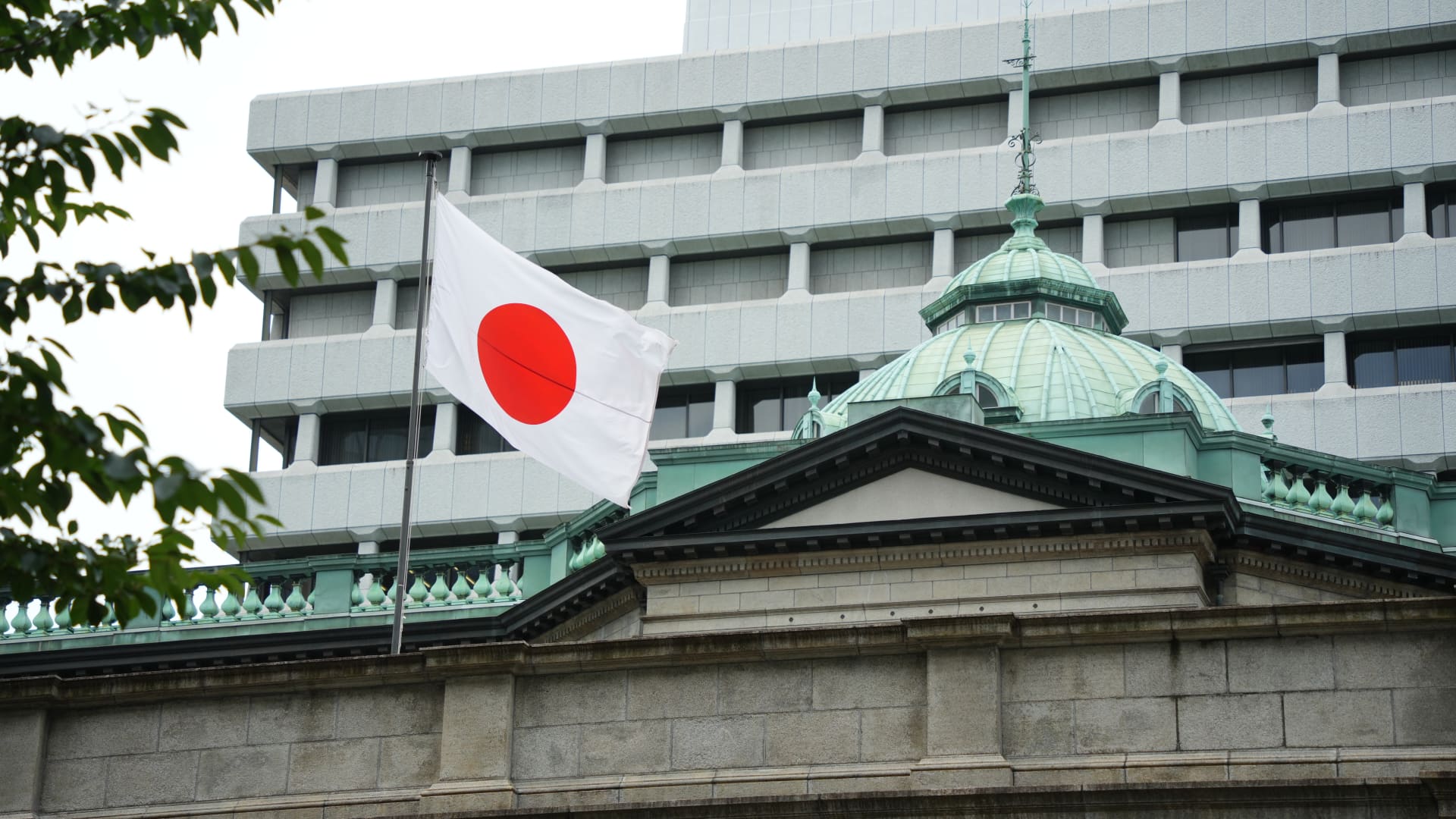
The Bank of Japan is widely anticipated to deliver its most aggressive policy move in over thirty years when its two-day deliberation concludes on Friday, according to a CNBC survey of market economists. The consensus points to a 25-basis-point increase that would lift the benchmark rate to 1.25%.
Such a step would mark a clear break from the measured cadence the BOJ has maintained since it began exiting its accommodative stance in March 2024. Until now, the central bank has spaced its adjustments at roughly six-month intervals, with the most recent hike landing in June. Moving to a shorter gap would signal that policymakers view the inflationary environment as demanding a faster response.
Inflation, Wage Gains, and Washington Pressure Underpin the Consensus
Nearly 9 in 10 respondents (approximately 89%) backed the 25-basis-point scenario, pointing to a confluence of domestic and external forces. Domestic data has firmed notably: Japan's headline inflation for July climbed to 1.9%, the highest reading of the year, as energy prices were pushed higher by the ongoing Iran conflict. In the same month, real wages advanced 2.4%, extending a streak of seven consecutive months of growth — a combination that gives the BOJ greater confidence that price pressures are broad-based rather than transitory.
External pressure has also intensified. U.S. Treasury Secretary Scott Bessent directly urged BOJ Governor Kazuo Ueda to take "decisive market and monetary steps" during the G20 finance ministers and central bank governors gathering earlier this month. Bessent subsequently took to social media to underscore the discussion, emphasizing the need to anchor inflation expectations and prevent excessive swings in exchange rates.
The political dimension of Washington's stance is significant. Takahide Kiuchi, executive economist at Nomura Research Institute and a former member of the BOJ's policy board, observed that the Trump administration has effectively neutralized any prospect of a Takaichi-led government interfering with the central bank's rate path. In his view, this development has granted the BOJ what amounts to a free hand to continue tightening without domestic political headwinds.
Board members themselves have reinforced the hawkish tilt through recent public remarks, leaving the door open for further accelerated moves beyond Friday's decision.
Dissent, Yen Trajectory, and Market Implications
Even as the consensus leans strongly toward a hike, a notable minority of board members could break ranks. Roughly one-third of survey respondents identified Toichiro Asada and Ayano Sato as the most likely dissenters. Both are regarded as reflationists and were placed on the BOJ board by Prime Minister Sanae Takaichi earlier in the year, suggesting their views may diverge from the tightening majority.
On the currency front, the yen remains a focal point. About 61% of respondents projected the Japanese yen would trade in the 155-to-160 range against the dollar over the coming month. Homin Lee, senior macro strategist at Lombard Odier, argued that the BOJ's hawkish trajectory should help keep the yen anchored above the 160 level, but cautioned that pushing it meaningfully below 150 "will not be easy." His reasoning: senior government and corporate officials are likely to resist what they perceive as an "inappropriately" rapid appreciation of the currency, given its implications for exporters and importers alike.
Taken together, the survey paints a picture of a BOJ navigating a narrow corridor — strong enough to satisfy inflation-fighting mandates and external expectations, yet constrained by the economic realities and political sensitivities that accompany a faster-than-expected tightening cycle.