A Rare GOP Split Over Tariff Policy
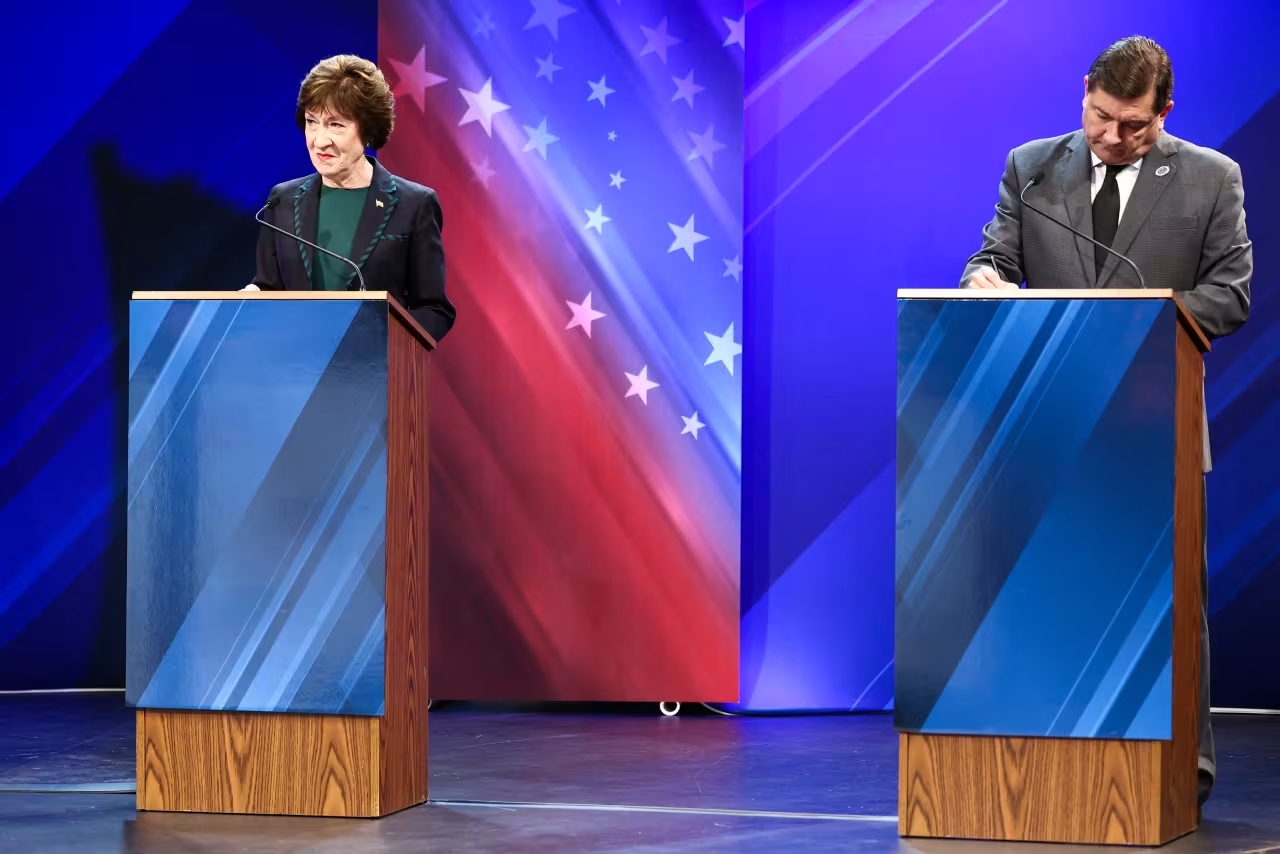
A growing number of Republican lawmakers are pushing back against President Donald Trump's tariff agenda, and none has drawn more attention than Senator Susan Collins of Maine. The five-term Republican, who has represented her northern state in the U.S. Senate for over two decades, has publicly claimed success in convincing the White House to withdraw specific levies imposed on Canadian goods.
Her intervention marks one of the more visible instances of intra-party friction over trade policy this legislative cycle. Rather than endorsing the administration's broad tariff framework, Collins has positioned herself as a pragmatic voice within her own caucus, arguing that particular duties on a close trading partner risk economic harm to American consumers and businesses without delivering the intended strategic benefits.
A Strategic Move Ahead of the Midterms
Collins is entering the 2026 midterm cycle facing what analysts describe as a particularly tough reelection contest. Maine, a state that has trended increasingly blue in recent elections, presents a significant challenge for any Republican seeking to retain a Senate seat. In that context, Collins is touting her tariff lobbying effort as evidence that she can hold the administration accountable while still operating within the party's broader coalition.
By framing the Canadian tariff reversal as a personal achievement—something she negotiated directly rather than a blanket policy shift—she is crafting a narrative of independent, results-driven leadership. That messaging is clearly aimed at a Maine electorate that is skeptical of both unfettered trade protectionism and a Congress perceived as passive in the face of executive action.
What the Canadian Levy Reversal Means for Markets
The specific tariffs Collins helped roll back applied to categories of Canadian imports, a move that had drawn immediate concern from U.S. importers, agricultural exporters, and energy-sector firms deeply integrated with their northern neighbor. The withdrawal of those particular levies eases near-term supply-chain pressure and reduces the risk of retaliatory measures from Ottawa, though the broader tariff architecture the administration has put in place remains largely intact.
For currency markets, the episode underscores a recurring theme: tariff policy in the United States remains a volatile driver of USD/CAD and related cross-rate pairs. Even partial reversals, when attributed to individual congressional pressure rather than a systemic policy pivot, can produce short-lived but noticeable moves in the Canadian dollar as traders reassess the likelihood of further trade friction. The Collins episode, while limited in scope, reinforces the point that political dynamics inside Congress can shift the trade landscape quickly and unpredictably.
Broader Implications for the Republican Tariff Debate
Collins's public celebration of the Canadian tariff backdown is unlikely to be an isolated incident. As the midterm clock ticks down, other Republican senators and representatives in states with heavy trade exposure to Canada, Mexico, or Asia may test the limits of their willingness to endorse—or quietly resist—additional tariff actions. The episode sets a precedent that a single senior lawmaker, armed with a credible constituency argument, can extract concessions from the executive branch without triggering a full policy reversal.
Whether that precedent holds, however, depends on the administration's appetite for further exceptions. For now, the Canadian levy episode stands as a concrete example of the growing internal GOP debate over the scope, scale, and sequencing of tariff policy—a debate that is as much about electoral survival as it is about economic strategy.