ConocoPhillips Chief Points to a Higher Oil Price Floor
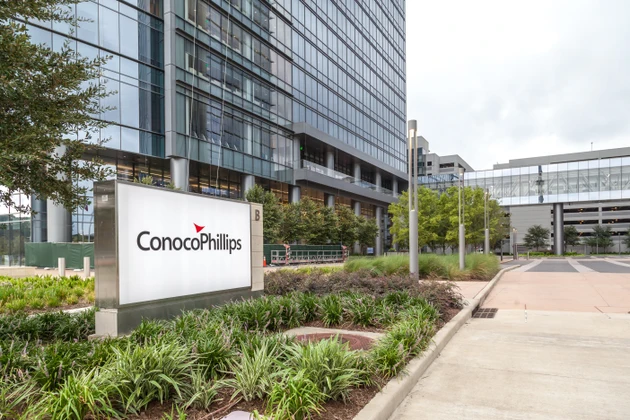
ConocoPhillips (COP) leadership has publicly argued that the structural floor for global crude oil prices is set to shift upward in the coming years. According to remarks attributed to the company's executive leadership, the long-run price floor for oil is likely to settle near $70 per barrel, a meaningful change from the lower ranges that characterized much of the previous decade.
The comments were made against the backdrop of sustained geopolitical tension in the Middle East, a region that remains central to global energy supply. The executive described the global oil system as having "bent but not broken" in response to the ongoing conflict in the region, suggesting that while supply chains and market participants absorbed the shock, the underlying cost structure and risk premium embedded in pricing have been permanently altered.
Mid-Cycle WTI Outlook Shifts Higher
A key point in the remarks was the projected mid-cycle price range for the U.S. West Texas Intermediate (WTI) crude benchmark. The ConocoPhillips executive placed that range at $65 to $70 per barrel, implying that even in a normalized, non-crisis market environment, prices are unlikely to fall back to the $40s or low $50s that were common in earlier years.
This outlook reflects several structural factors that the executive implicitly acknowledged: higher production costs across the global basin, increased capital discipline among major producers, and a persistent geopolitical risk premium tied to Middle East instability. Together, these elements create a de facto price floor that is significantly elevated compared to the pre-conflict era.
Implications for Energy Markets and Broader Commodities
For traders and investors tracking commodity-linked currency pairs, a sustained oil price floor near $70 carries meaningful implications. Higher energy costs feed into inflation expectations, influence central bank policy trajectories, and can shift the relative strength of commodity-exporting currencies such as the Canadian dollar, Norwegian krone, and Russian ruble.
The ConocoPhillips assessment, while not a formal forecast, adds a notable data point to the broader debate over where oil prices are headed in a world where geopolitical risk has become a more permanent fixture rather than a temporary disruption. Market participants will likely continue to monitor OPEC+ production decisions, U.S. shale output data, and any further developments in the Middle East to gauge whether the $70 floor holds or whether additional upside pressure builds on top of it.