Geopolitical Flashpoint Reshapes Energy and Debt Markets
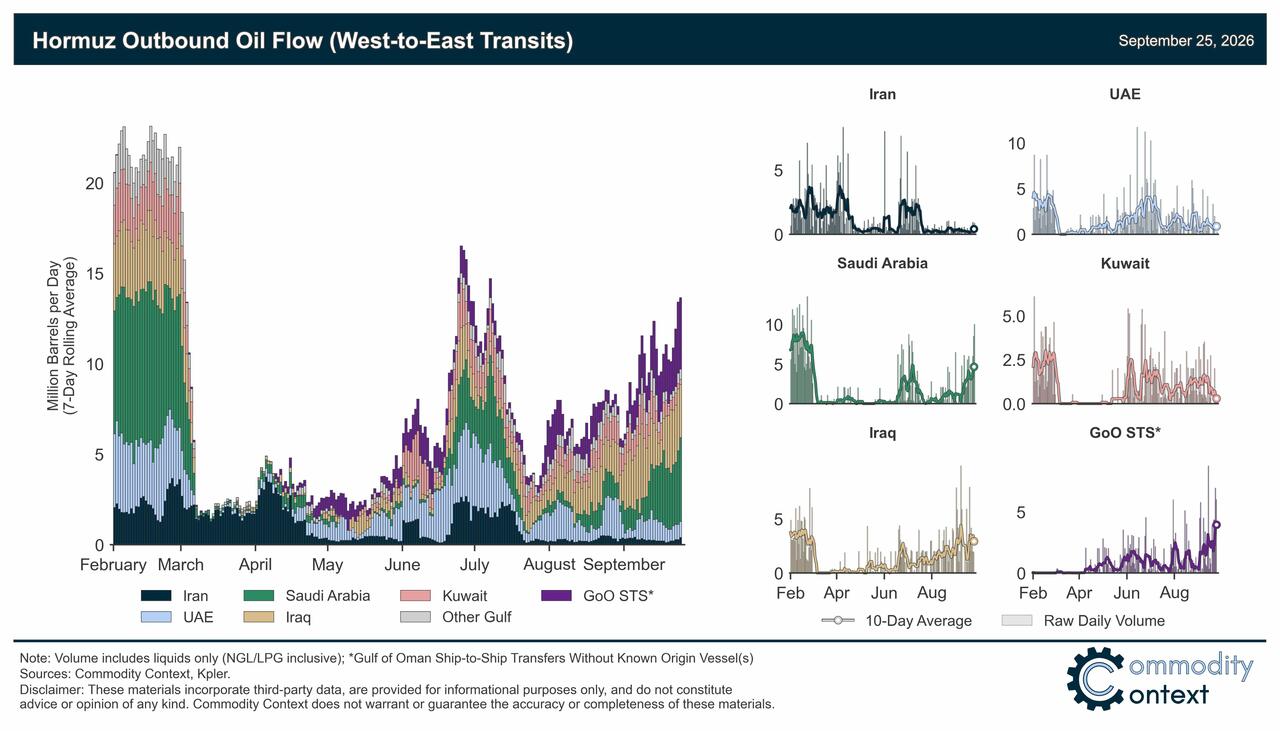
Oil prices advanced while U.S. Treasury securities slipped in trading after President Donald Trump turned down Iran's most recent proposal aimed at reopening the Strait of Hormuz to commercial shipping. The rebuff immediately revived concerns over one of the world's most critical energy chokepoints, sending crude higher as traders priced in the risk of prolonged disruption to Gulf oil flows.
Treasury Markets Absorb Renewed Middle East Risk
On the fixed-income side, government bonds came under pressure as the renewed standoff in the Middle East fed into an already turbulent environment for global debt. Investors, who had been navigating a period of heightened volatility in sovereign bond markets, found their risk appetite further compressed by the latest diplomatic setback. The interplay between geopolitical uncertainty and bond pricing underscored how quickly political developments in the region can ripple through global capital markets.
Broader Market Implications
The episode highlighted the continued sensitivity of both energy and debt markets to developments around the Strait of Hormuz, a waterway through which a significant share of the world's seaborne crude passes. Trump's rejection of Iran's proposal effectively kept the door open to further escalation, meaning that traders will likely remain cautious and position for volatility in the coming sessions. The move also reinforced the pattern, now well established, in which Middle East tensions act as a direct catalyst for oil price swings and Treasury yield adjustments, reminding market participants that geopolitical risk remains a first-order driver for both commodity and fixed-income trading desks.