
Oil Softens in Early Asian Hours
Crude oil prices registered a modest decline during the opening stretch of Asian trading, marking a brief cooling in what has been a volatile stretch for the energy market. Despite the intraday dip, the benchmark remained comfortably above the psychologically significant $100-per-barrel threshold, underscoring how firmly supply-side anxieties have anchored prices at elevated levels.
Middle East Conflict Continues to Tighten Supply
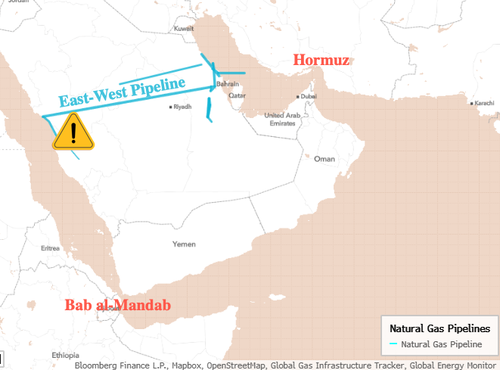
The primary driver keeping crude prices propped up remains the ongoing conflict in the Middle East. Tensions in the region have intensified concerns among traders and analysts that physical supply could be further constrained, particularly if disruption spreads to key production or shipping corridors. The conflict has effectively acted as a persistent risk premium embedded in oil prices, with market participants pricing in the possibility of prolonged supply tightness rather than treating the situation as a transient shock.
Geopolitical Risk Premium Remains Embedded in Pricing
Beyond the immediate supply squeeze, broader geopolitical risks continue to weigh on market sentiment. Traders in the Asian session were monitoring headlines for any escalation that could tighten the supply picture further, while also watching for diplomatic developments that might ease tensions. The net effect has been a market that is reluctant to fully discount the $100-plus price zone, even when short-term momentum nudges prices lower.
What to Watch Going Forward
With oil still trading in the four-figure range, the coming days will hinge on two factors: whether the Middle East conflict shows signs of de-escalation and whether physical supply data confirms or contradicts the market's current tightness narrative. Until both risks are meaningfully resolved, the $100 level is likely to remain a floor rather than a ceiling for crude, keeping energy costs elevated for consumers and businesses alike.