Oil Prices Respond to Renewed Regional Tensions
Crude oil prices moved modestly higher in recent trading, reflecting a growing sense of unease among market participants over the escalating geopolitical situation in the Middle East. The modest upward move in energy markets underscores how quickly traders are pricing in the risk of supply disruptions when political instability intensifies in one of the world's most critical oil-producing regions.
The rally, while limited in magnitude, carried clear directional significance. Rather than a sharp spike, the gentle climb in oil pointed to a gradual accumulation of a geopolitical risk premium. Market participants are not yet betting on an immediate, large-scale interruption to flows, but they are adjusting their positions to account for the possibility that tensions could deteriorate further and affect output or shipping routes in the region.
Supply Disruption Risk at the Foreground
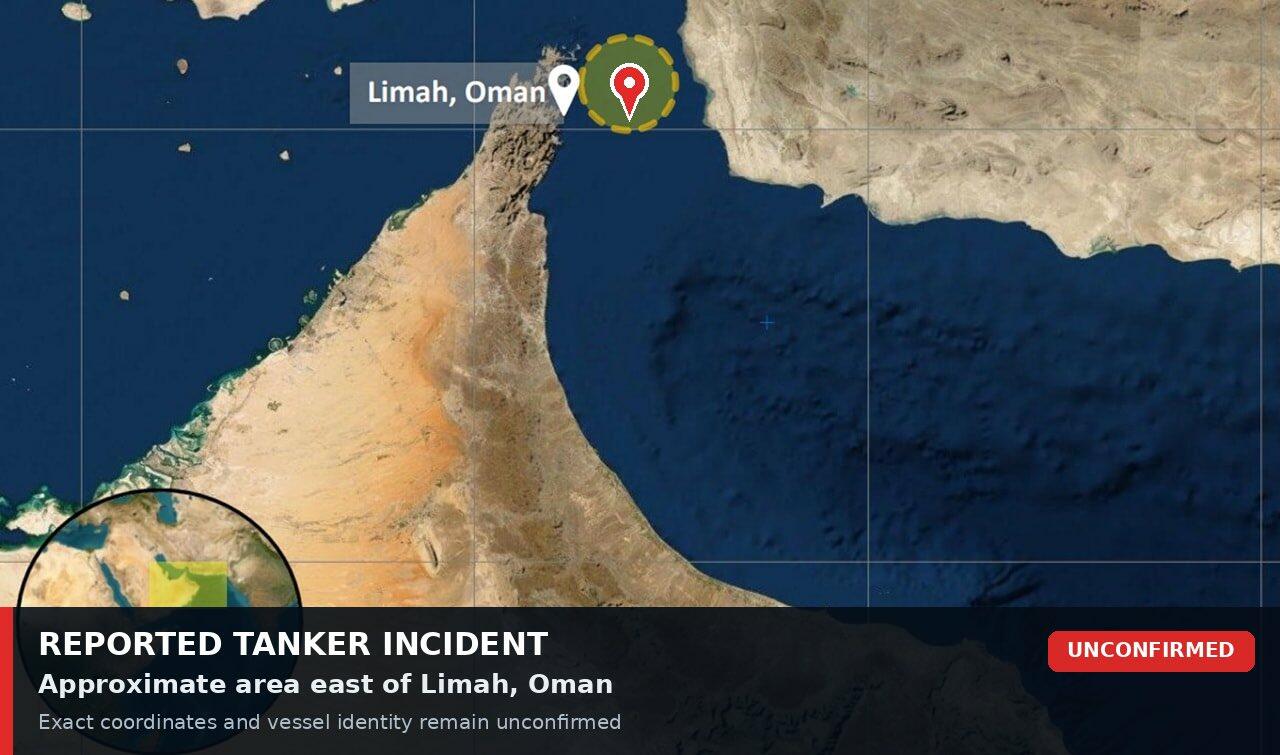
The central concern driving the price action is the prospect of physical supply disruptions. The Middle East accounts for a substantial share of global crude production and a large portion of the world's seaborne oil trade. When political friction or military posturing increases in that area, the immediate market reaction is to hedge against the scenario in which production facilities, export terminals, or transit corridors come under threat.
Even the probability of such an event — rather than a confirmed incident — is enough to nudge prices higher. Traders buy physical barrels, futures contracts, or options as a form of insurance against a tail risk that, while not guaranteed, would carry severe consequences for global energy balances. The modest nature of the price move suggests that, at the time of writing, no concrete supply outage had yet materialized, but the option value of disruption risk was being repriced upward.
What to Watch Going Forward
For investors and currency traders who track commodity-linked flows, the key variable to monitor is whether the current level of tension translates into actionable supply constraints. A confirmed reduction in output, a closure of a shipping lane, or a direct threat to export infrastructure would likely push prices well beyond the current modest gain. Conversely, any de-escalation or diplomatic breakthrough would likely strip out the risk premium within days, returning prices toward their pre-tension levels.
Until the geopolitical picture clarifies, the oil market is likely to remain sensitive to headlines, with each development capable of triggering short-lived but noticeable price swings. The underlying message from the session is clear: as long as Middle East tensions persist, a floor of geopolitical risk will continue to underpin crude prices, even in the absence of an actual supply shock.