Pound Stalls Near Recent Troughs
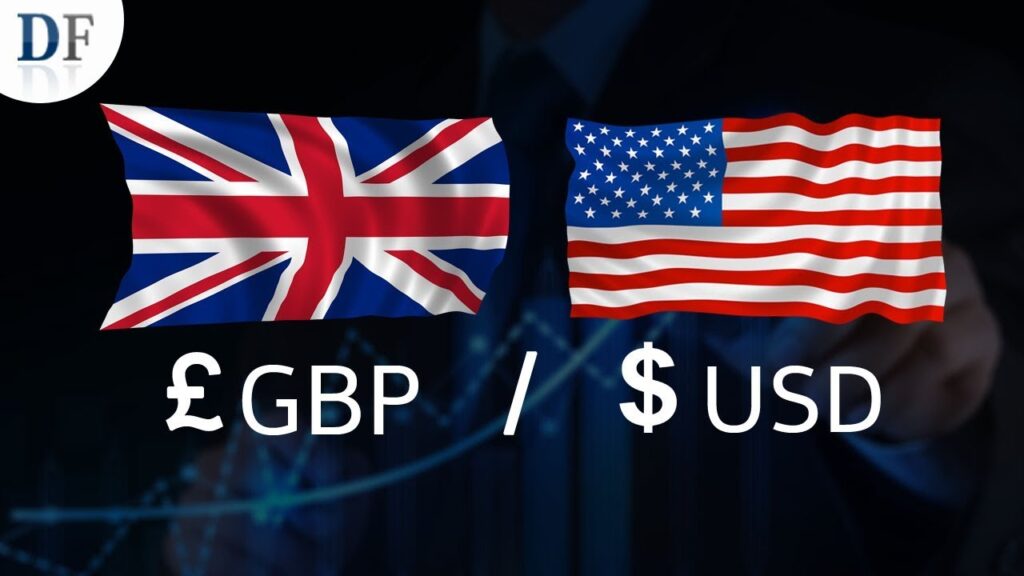
The British pound has been struggling to find firmer footing against the U.S. dollar, with the GBP/USD cross lingering in the vicinity of the lows it printed during the latter part of July. Rather than staging a meaningful recovery, the pair has remained range-bound, reflecting a market that is largely in wait-and-mode amid a relatively thin flow of fresh economic information.
The sustained proximity to those late-July troughs underscores a broader sense of indecision among forex traders. Without a clear macroeconomic trigger pulling the pound in either direction, speculative flows have been muted, and the cross has traded in a tight corridor that offers limited opportunity for momentum-driven moves.
PMI Focus: UK and US Data in the Crosshairs
With the pound pinned near its recent lows, all eyes are turning to the upcoming Purchasing Managers' Index (PMI) releases from both the United Kingdom and the United States. These composite and services/production sub-indices are widely regarded as early, high-frequency indicators of economic momentum, and their readings can shift market expectations around central-bank policy trajectories within hours.
For the pound, the UK PMI print carries particular weight. A stronger-than-expected reading could reignite bets on a more hawkish path from the Bank of England, potentially lifting sterling out of its current consolidation zone. Conversely, a soft print would reinforce the bearish bias that has kept the pair near its July lows.
On the U.S. side, the PMI data will shape the dollar's near-term tone. A robust American reading would underpin the greenback and keep the GBP/USD cross under pressure, while a weaker-than-forecast figure could relieve some of the dollar's strength and give the pound room to reclaim lost ground.
What Traders Should Watch
In the absence of other high-impact releases, the PMI window effectively becomes the next potential inflection point for GBP/USD. Traders and analysts will be looking not only at the headline composite figures but also at the sub-components—new orders, production, and prices paid—to gauge the breadth of the underlying economic signal.
Until those data points land, the pair is likely to remain confined to its narrow range, with any breakout dependent on whether the UK or US numbers deliver a surprise large enough to break the current equilibrium. For now, the pound's proximity to its late-July lows remains the defining feature of the cross, and the PMI releases represent the most immediate opportunity for a shift in that dynamic.