
Oil Prices Find Footing After Monday's Decline
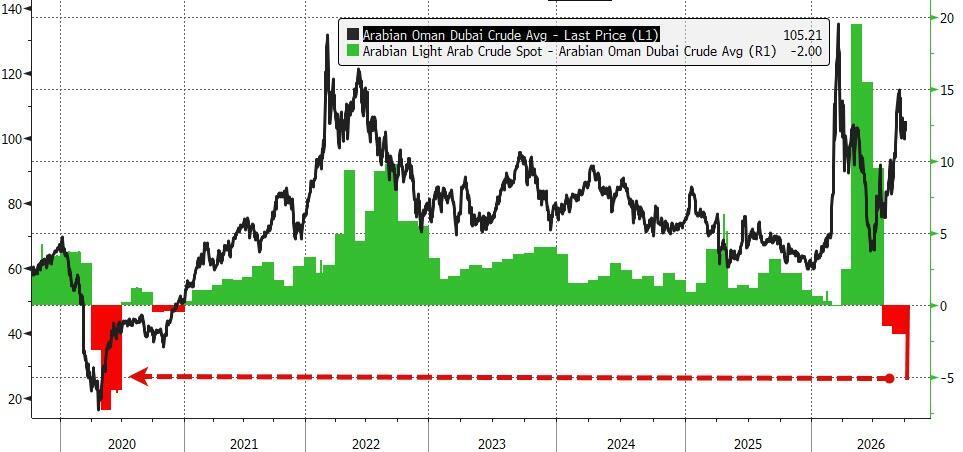
Crude oil prices steadied on Tuesday, 6 October, after the benchmark slipped by nearly two percent the previous trading day. The brief pause in selling came as market participants digested a cluster of supply-side developments that collectively signaled a looser global oil market ahead.
The Monday session had seen meaningful downward pressure on prices, with the roughly two percent loss reflecting renewed concerns over oversupply. By Tuesday, however, the market appeared to have found a temporary equilibrium, with prices holding near the levels reached at the end of Monday's session rather than extending the earlier decline.
Persian Gulf Exports and Saudi Pricing Signal Easing Conditions
Two developments stood out as the principal drivers behind the bearish sentiment that pushed prices lower on Monday and kept a lid on any meaningful rebound on Tuesday.
First, exports from the Persian Gulf region have been on the rise, adding incremental barrels to the global flow of crude. Higher shipment volumes from the gulf basin effectively increase the amount of oil available to buyers, which exerts downward pressure on prices all else being equal.
Second, Saudi Arabia moved to cut its official selling prices, a step that the kingdom's energy ministry uses as a barometer of its own competitive positioning in the global market. A lower official price from the world's largest exporter is widely read by traders as an acknowledgment that demand is not firm enough to sustain higher pricing, and it tends to set a new reference point that ripples through the wider market.
Taken together, the expanding gulf export volumes and the Saudi price adjustment painted a picture of a market tilting toward oversupply. Traders interpreted the signals as evidence that the balance between production and consumption was shifting, with the supply side gaining ground.
Market Implications and What to Watch
The stabilization on Tuesday, while modest, suggests that the initial shock of the supply data had been largely absorbed into prices by the end of Monday's session. However, the underlying fundamentals—rising gulf exports and a lower Saudi price anchor—remain in place, meaning the risk of renewed selling pressure persists if no offsetting demand strength materializes.
Market participants will be watching for further signals from OPEC+ members regarding production policy, as well as any shifts in refinery runs and inventory data from major consuming regions. Until those data points suggest a firmer demand backdrop, the tone set by the Persian Gulf supply expansion and Saudi pricing action is likely to keep a ceiling on crude prices in the near term.