Crude Oil Gains as U.S.-Iran Ceasefire Negotiations Remain Stalled
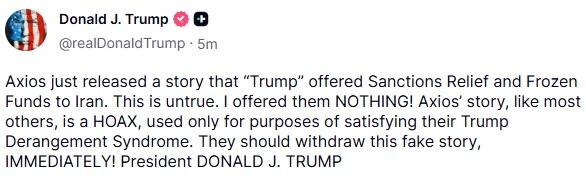
Oil prices climbed on Friday as diplomatic talks between Washington and Tehran over a ceasefire and the reopening of the Strait of Hormuz hit a continued impasse, according to NAB.
179 posts
Oil prices climbed on Friday as diplomatic talks between Washington and Tehran over a ceasefire and the reopening of the Strait of Hormuz hit a continued impasse, according to NAB.
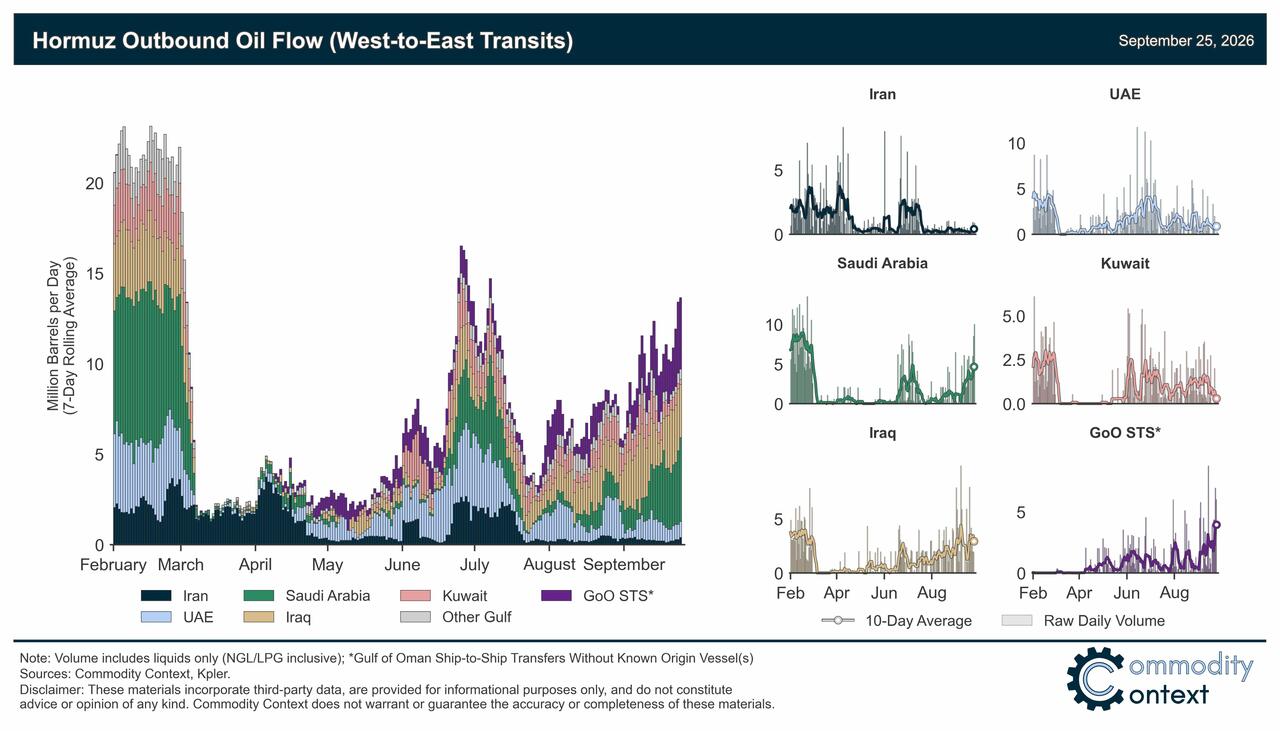
Crude oil prices advanced for a second consecutive session on September 29, driven by stalled US-Iran diplomatic talks and evidence of solid global demand, even as restored pipeline output from Saudi Arabia offered a partial offset.
West Texas Intermediate crude oil ticked modestly higher, crossing the $92.00 mark, as market participants weighed the impact of Qatari-mediated US-Iran negotiations and the resumption of a Saudi pipeline.
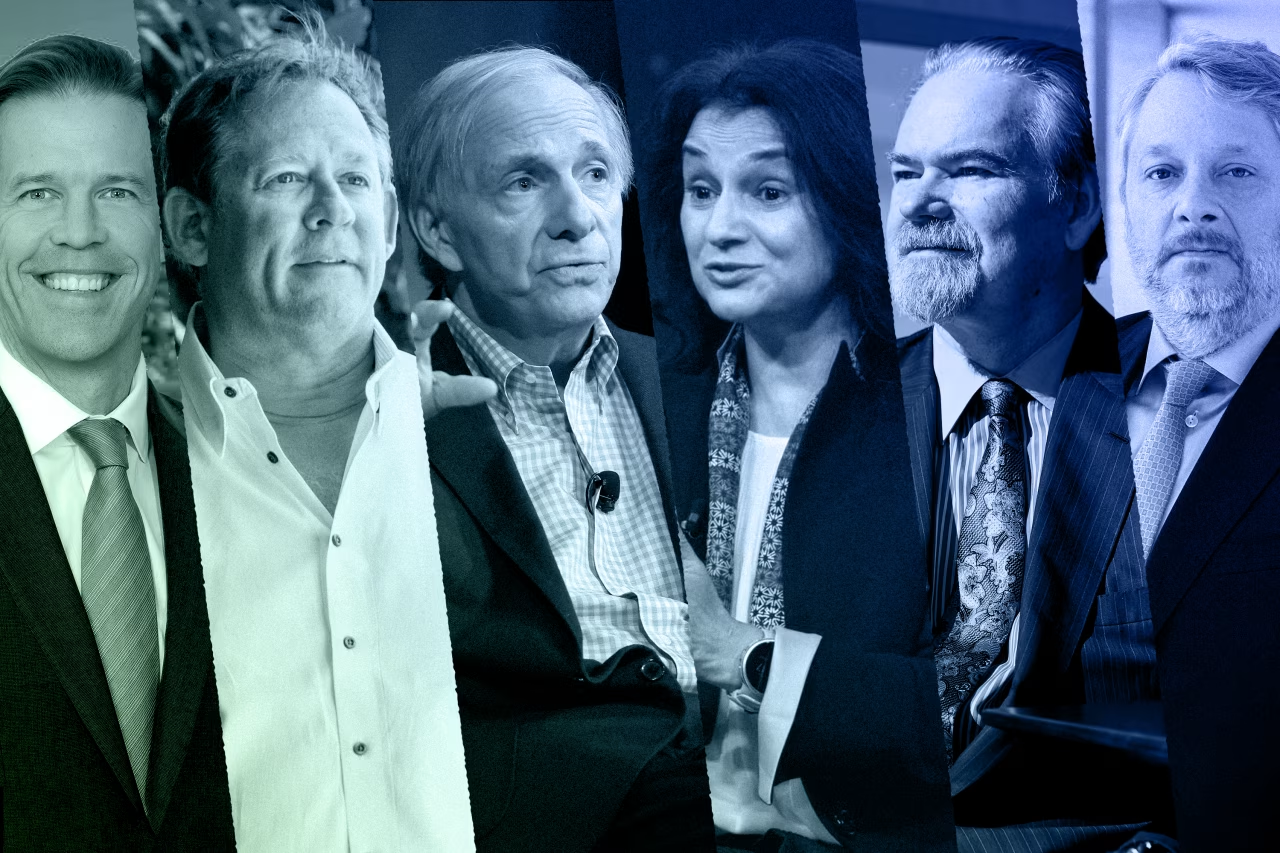
WSJ Markets polled six seasoned investment professionals on how to navigate rising yields, with opinions split between opportunistic buying and defensive caution.
Global oil prices surged and U.S. Treasury bonds declined after President Trump declined Iran's newest bid to restore shipping through the Strait of Hormuz, rekindling geopolitical risk that has already rattled international bond markets.
The US bond market is edging closer to a signal that the Federal Reserve's ongoing cycle of rate increases may be tipping the economic narrative toward a potential stall in growth.
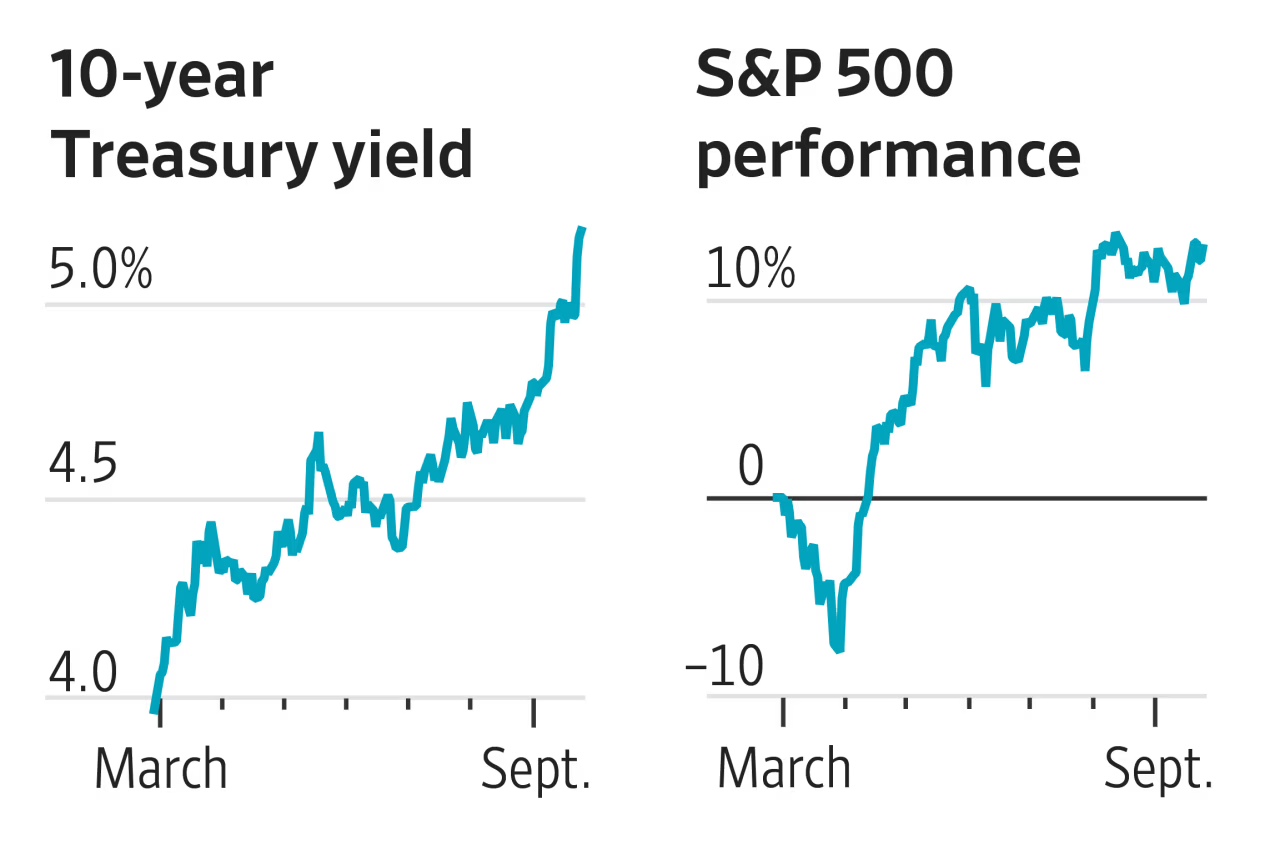
Equity markets are holding firm despite climbing bond yields, a dynamic that echoes episodes from 1994 and 2016. Investors entering 2026 face a familiar but unresolved question: will stocks eventually follow yields higher, or will they continue to decouple?
The benchmark 10-year U.S. Treasury yield climbed to 5.23%, its highest since 2007, driven not only by persistent inflation but also by a surge in government and corporate debt issuance fueled by the AI buildout.
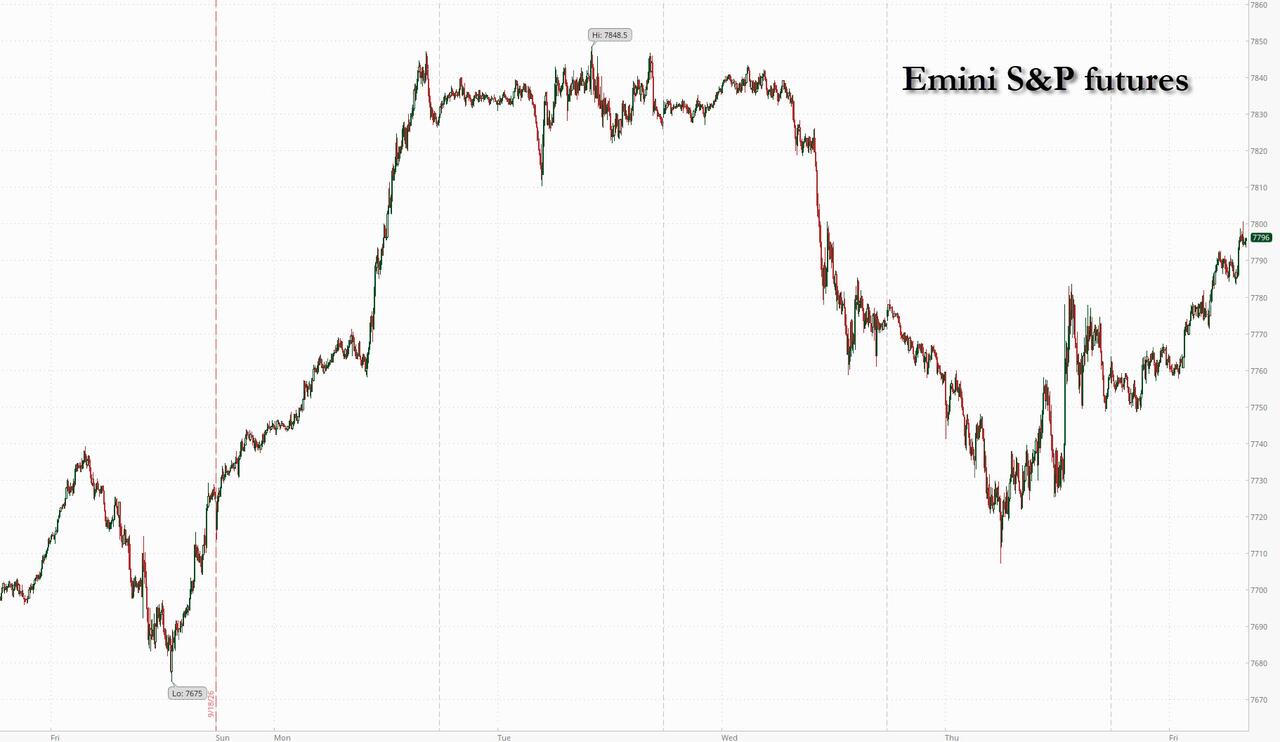
Despite yields reaching multi-decade peaks, oil trading above $100, and a strengthening case for tighter Fed policy, risk assets continued to hold firm, fueling the broader '80/20' market rotation.
Technical indicators are pointing toward a potential bearish crossover in the U.S. dollar, a development that would validate U.S. Treasury Secretary Scott Bessent's bold declaration to markets and align with the White House's preference for a weaker greenback.
The U.S. central bank has put forward two draft regulations that would define capital and reserve standards for stablecoin issuers and lay out the process for Fed-supervised banks to launch their own digital tokens, as multiple agencies race to meet the GENIUS Act's July 2026 compliance deadline.
Crude oil futures snapped a five-session losing streak on Wednesday as geopolitical tensions between Iran and the United States resurfaced, while diesel futures slipped on export restriction concerns.